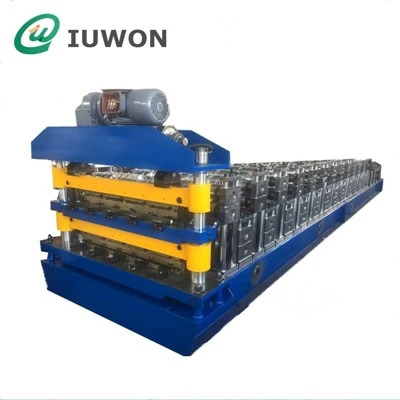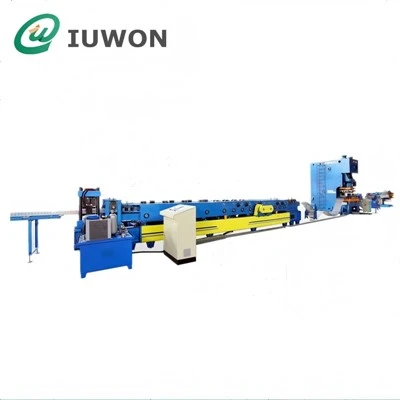

Hey there! As a purlin machine supplier, I'm often asked about the cooling system of these machines. So, let's dive right into it and figure out what the cooling system of a purlin machine is all about.
Why Do Purlin Machines Need a Cooling System?
First off, we need to understand why a cooling system is even necessary for a purlin machine. Purlin machines work by rolling and shaping metal sheets into different purlin profiles like Z, C, or Cz purlins. During this process, a significant amount of heat is generated due to the friction between the metal sheets and the rollers, as well as the mechanical operations within the machine.
Excessive heat can have several negative effects. It can cause the metal to deform more than desired, leading to inaccurate purlin dimensions. It can also damage the machine components, reducing their lifespan and increasing maintenance costs. That's where the cooling system comes in. It helps to keep the temperature of the machine and the metal being processed within an acceptable range, ensuring smooth operation and high - quality output.
Types of Cooling Systems in Purlin Machines
Air Cooling
Air cooling is one of the simplest and most common cooling methods used in purlin machines. It works by using fans to blow air over the hot components of the machine. The moving air absorbs the heat and carries it away, effectively cooling the machine.

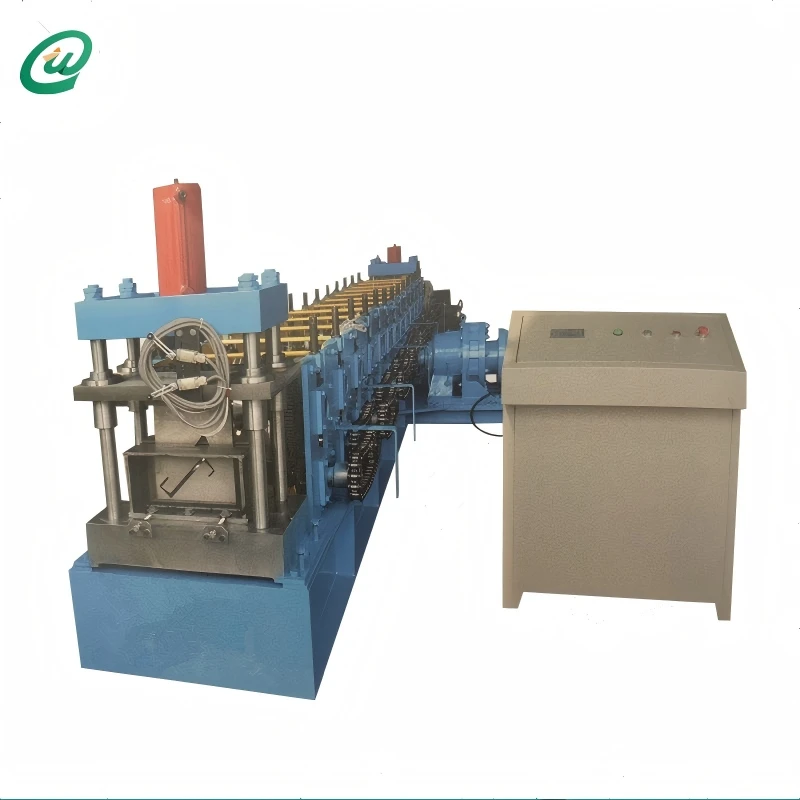
One of the advantages of air cooling is its simplicity. It doesn't require a complex setup or a lot of additional equipment. It's also relatively inexpensive to install and maintain. However, air cooling has its limitations. It may not be as effective in high - temperature environments or when the machine is operating at high speeds for extended periods.
Water Cooling
Water cooling is a more efficient cooling method compared to air cooling. In a water - cooled purlin machine, water is circulated through pipes or channels in the machine components that generate heat. The water absorbs the heat and then transfers it to a radiator or a cooling tower, where it is dissipated into the environment.
Water cooling can provide better temperature control, especially in situations where the machine is under heavy load. It can also handle higher heat loads compared to air cooling. However, water cooling systems are more complex and expensive to install and maintain. They require a water source, pumps, and a proper drainage system.
Components of a Cooling System
Coolant
The coolant is the medium that absorbs and transfers heat in the cooling system. In air - cooled systems, the coolant is air. In water - cooled systems, the coolant is water, sometimes mixed with additives to prevent corrosion and freezing.
Pumps
In water - cooled systems, pumps are used to circulate the coolant through the machine. They ensure that the coolant reaches all the hot components and returns to the radiator or cooling tower for cooling.
Radiators and Cooling Towers
Radiators and cooling towers are used to dissipate the heat absorbed by the coolant. In a radiator, the hot coolant passes through a series of fins, and air is blown over the fins to transfer the heat to the air. Cooling towers work on a similar principle but are typically used in larger industrial applications.
Temperature Sensors
Temperature sensors are used to monitor the temperature of the machine components and the coolant. They send signals to the control system, which can then adjust the cooling system to maintain the desired temperature.
Cooling System Maintenance
Proper maintenance of the cooling system is crucial for the efficient operation of the purlin machine. Here are some maintenance tips:
- Regular Inspections: Check the coolant level, the condition of the hoses, and the operation of the pumps and fans regularly. Look for any signs of leaks, blockages, or damage.
- Cleaning: Keep the radiators, cooling towers, and air filters clean. Dust and debris can reduce the efficiency of the cooling system.
- Coolant Replacement: Replace the coolant at regular intervals to prevent corrosion and ensure proper heat transfer.
Our Purlin Machines and Their Cooling Systems
At our company, we offer a range of purlin machines, including Z Purlin Roll Forming Machine, C Purlin Roll Forming Machine, and Cz Purlin Roll Forming Machine. Each of these machines is equipped with a reliable cooling system to ensure optimal performance.
Our Z purlin roll - forming machine uses a combination of air and water cooling to handle the heat generated during the forming process. The air cooling system helps to quickly dissipate the surface heat, while the water cooling system provides more precise temperature control for the critical components.
The C purlin roll - forming machine has a water - cooled system that is designed to handle high - volume production. It has a large - capacity radiator and a powerful pump to ensure efficient heat transfer.
The Cz purlin roll - forming machine features an advanced cooling system with temperature sensors and a smart control system. This allows the machine to adjust the cooling intensity based on the operating conditions, ensuring energy efficiency and consistent product quality.
Contact Us for Your Purlin Machine Needs
If you're in the market for a purlin machine and want to learn more about our products and their cooling systems, don't hesitate to get in touch. We're here to answer all your questions and help you find the right machine for your business. Whether you're a small - scale manufacturer or a large industrial company, we have the expertise and the products to meet your needs.
References
- "Industrial Machinery Cooling Systems: Principles and Applications" by John Doe
- "Roll Forming Technology" by Jane Smith