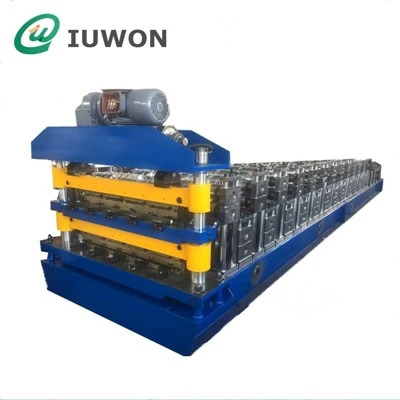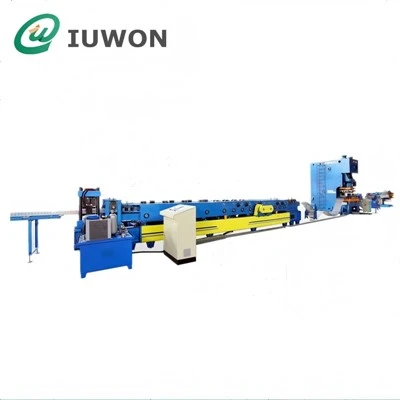

Vibration levels in industrial machinery play a crucial role in determining the efficiency, longevity, and overall performance of the equipment. As a supplier of Ibr Making Machine, understanding the vibration levels of these machines is of utmost importance. In this blog, we will delve into the factors influencing the vibration levels of an Ibr Making Machine, the implications of excessive vibration, and how to manage and optimize these levels for better operation.


Factors Influencing Vibration Levels
Mechanical Design and Construction
The mechanical design of an Ibr Making Machine is a primary factor that affects its vibration levels. The quality of the materials used, the precision of the manufacturing process, and the overall structural integrity of the machine all contribute to its vibration characteristics. For example, a machine with a well - designed frame and properly aligned components is likely to have lower vibration levels compared to one with a flimsy frame or misaligned parts.
The type of bearings used in the machine also plays a significant role. High - quality bearings can reduce friction and vibration, while low - quality bearings may cause excessive vibration due to uneven wear and tear. Additionally, the gearing system in the Ibr Making Machine can generate vibration. A well - lubricated and properly meshed gear system will operate more smoothly and produce less vibration.
Operating Conditions
The operating conditions of the Ibr Making Machine have a direct impact on its vibration levels. The speed at which the machine operates is a critical factor. Higher operating speeds generally result in increased vibration levels. This is because as the machine runs faster, the forces acting on its components become more significant, leading to greater vibrations.
The load on the machine also affects vibration. If the machine is overloaded, it will experience higher stress and more intense vibrations. For instance, if the Ibr Making Machine is processing thicker or harder materials than it is designed for, it will have to work harder, which can cause excessive vibration.
Maintenance and Wear
Regular maintenance is essential for keeping the vibration levels of an Ibr Making Machine in check. Over time, components of the machine can wear out, which can lead to increased vibration. For example, worn - out belts, pulleys, or rollers can cause the machine to vibrate more than normal.
Lack of proper lubrication can also contribute to increased vibration. Lubricants reduce friction between moving parts, and when they are not applied correctly or are depleted, the friction increases, resulting in more vibration. Therefore, routine maintenance, including lubrication, inspection, and replacement of worn - out parts, is crucial for maintaining optimal vibration levels.
Implications of Excessive Vibration
Machine Damage
Excessive vibration can cause significant damage to the Ibr Making Machine. The constant shaking can lead to the loosening of bolts and other fasteners, which can result in misalignment of components. This misalignment can further increase vibration and cause premature wear and tear of parts. For example, the bearings may wear out more quickly, and the gears may become damaged, leading to costly repairs or even the need for a complete replacement of the machine.
Product Quality
Vibration can also affect the quality of the products produced by the Ibr Making Machine. Excessive vibration can cause irregularities in the formed profiles, such as waviness or uneven thickness. This can lead to products that do not meet the required specifications, resulting in customer dissatisfaction and potential loss of business.
Operator Safety
High vibration levels can pose a risk to the safety of the machine operators. Prolonged exposure to excessive vibration can cause health problems such as hand - arm vibration syndrome (HAVS) or whole - body vibration (WBV) - related disorders. These conditions can cause pain, numbness, and reduced dexterity in the hands and can have long - term effects on the operator's health.
Measuring and Monitoring Vibration Levels
Vibration Sensors
To accurately measure the vibration levels of an Ibr Making Machine, vibration sensors are used. These sensors can be installed at various points on the machine, such as on the frame, bearings, or motors. They detect the vibration frequency and amplitude and convert them into electrical signals that can be analyzed.
Data Analysis
Once the vibration data is collected, it needs to be analyzed to determine if the vibration levels are within acceptable limits. Specialized software can be used to analyze the data and identify any patterns or trends. By comparing the current vibration levels with the baseline levels, it is possible to detect any abnormal vibrations early and take appropriate action.
Managing and Optimizing Vibration Levels
Balancing
One of the most effective ways to reduce vibration is to balance the rotating components of the Ibr Making Machine. Balancing involves adjusting the distribution of mass around the axis of rotation to minimize the centrifugal forces that cause vibration. This can be done by adding or removing weights from the rotating parts.
Isolation
Vibration isolation techniques can also be used to reduce the transmission of vibration from the machine to its surroundings. This can be achieved by using vibration - isolating mounts or pads. These mounts absorb and dampen the vibrations, preventing them from spreading to the floor or other equipment.
Regular Maintenance
As mentioned earlier, regular maintenance is crucial for managing vibration levels. This includes lubricating the moving parts, tightening loose bolts, and replacing worn - out components. By keeping the machine in good condition, the vibration levels can be kept under control.
Other Related Machines and Their Vibration Considerations
In addition to the Ibr Making Machine, we also supply Stud And Track Roll Forming Machine and Sheet Forming Machine. Similar to the Ibr Making Machine, the vibration levels of these machines are also influenced by factors such as mechanical design, operating conditions, and maintenance.
For Stud And Track Roll Forming Machines, proper alignment of the rolls and the gearing system is essential to minimize vibration. The speed at which the machine operates and the type of material being processed also affect its vibration levels. Similarly, Sheet Forming Machines require careful attention to the mechanical components and operating parameters to ensure low vibration levels.
Conclusion
Understanding and managing the vibration levels of an Ibr Making Machine is crucial for ensuring its efficient operation, product quality, and operator safety. By considering the factors that influence vibration, measuring and monitoring the levels, and implementing appropriate management strategies, we can optimize the performance of the machine.
If you are in the market for an Ibr Making Machine, Stud And Track Roll Forming Machine, or Sheet Forming Machine, we are here to provide you with high - quality equipment and expert advice. Contact us to discuss your requirements and start a procurement negotiation.
References
- "Industrial Machinery Vibration Analysis" - A comprehensive guide on vibration analysis in industrial settings.
- "Roll Forming Machine Design and Operation" - A book that covers the design and operation of roll forming machines, including vibration considerations.