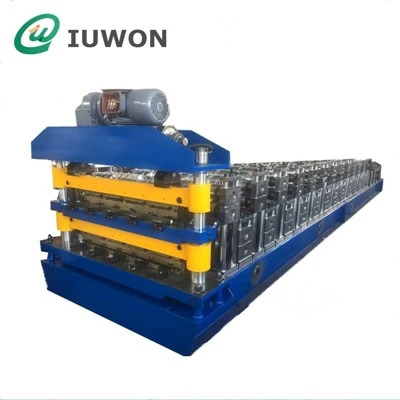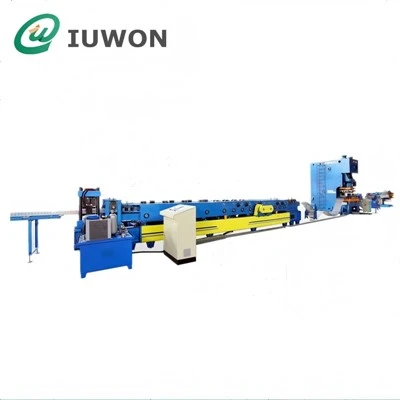

Hey there! As a supplier of silo roll forming machines, I'm super excited to dive into the structure of these amazing pieces of equipment. In this blog, I'll break down the different components of a silo roll forming machine, so you can get a better understanding of how it all works.
Let's start with the basics. A silo roll forming machine is a specialized piece of equipment used to manufacture various parts for silos, such as panels, frames, and other structural components. These machines are designed to take flat metal sheets and transform them into the desired shape through a series of rolling processes.
The Main Components
1. Uncoiler
The uncoiler is the starting point of the roll forming process. It holds the large coil of metal sheet and feeds it into the machine at a controlled speed. This component is crucial as it ensures a continuous supply of material for the rest of the machine. The uncoiler can be either manual or automatic, depending on the specific requirements of the production line. For smaller operations, a manual uncoiler might be sufficient, but for high - volume production, an automatic uncoiler is a must - have.
2. Feeding System
Once the metal sheet is uncoiled, it enters the feeding system. This system is responsible for guiding the sheet into the roll forming section accurately. It usually consists of rollers and guides that keep the sheet in place and ensure a smooth and straight feed. The feeding speed can be adjusted according to the complexity of the profile being formed and the capabilities of the machine.
3. Roll Forming Section
This is the heart of the silo roll forming machine. The roll forming section is made up of multiple sets of rollers, each designed to gradually bend and shape the metal sheet into the desired profile. The number of roller sets depends on the complexity of the profile. For simple profiles, there might be around 5 - 10 roller sets, while for more complex ones, there could be 20 or more. Each roller set is precisely engineered to make a specific bend or shape in the metal sheet.
4. Cutting System
After the metal sheet has been formed into the desired profile, it needs to be cut to the appropriate length. The cutting system can be either a flying shear or a stationary shear. A flying shear cuts the profile while it is still in motion, which allows for continuous production. A stationary shear, on the other hand, stops the profile before cutting it. The choice between the two depends on the production speed and the accuracy requirements.
5. Control System
The control system is what makes the silo roll forming machine operate efficiently. It allows the operator to set parameters such as the speed of the machine, the length of the cut, and the number of profiles to be produced. Modern control systems are often computer - based, which provides greater precision and flexibility. Operators can easily adjust the settings and monitor the production process in real - time.
Types of Silo Roll Forming Machines
Grain Silo Machine
If you're in the business of storing grains, a Grain Silo Machine is a great investment. These machines are specifically designed to produce the panels and components needed for grain silos. They can create profiles that are strong, durable, and resistant to the elements. Grain silo machines can handle different types of metals, such as galvanized steel, which is commonly used in the construction of grain silos.
Silo Frame Roll Forming Machine
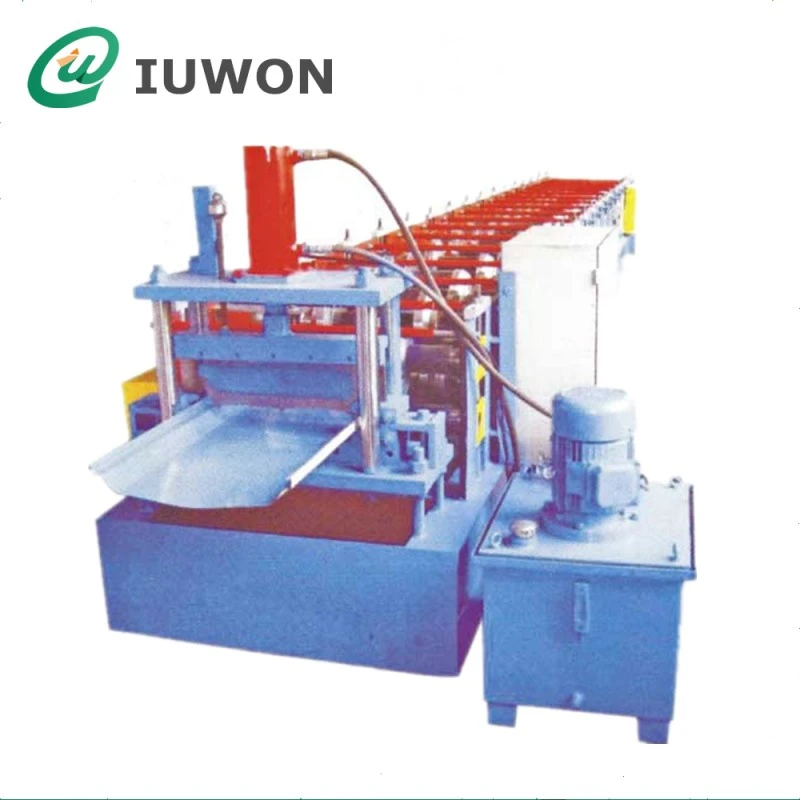
For building the frames of silos, a Silo Frame Roll Forming Machine is essential. These machines are capable of producing high - quality frames that provide the structural support for the silo. They can form complex profiles that are designed to withstand the weight of the stored materials and the forces of nature.

Advantages of Using a Silo Roll Forming Machine
One of the biggest advantages of using a silo roll forming machine is the high level of precision it offers. The profiles produced are consistent in shape and size, which is crucial for the proper assembly of silos. Additionally, these machines are highly efficient, allowing for a large volume of production in a relatively short period. They also reduce labor costs as they can automate many of the production processes.
Another advantage is the flexibility of the machines. They can be easily adjusted to produce different profiles and sizes, depending on the specific requirements of the project. This means that you can use the same machine to manufacture various components for different types of silos.
Maintenance and Care
To ensure the long - term performance of your silo roll forming machine, regular maintenance is essential. This includes cleaning the machine, lubricating the moving parts, and checking for any signs of wear and tear. It's also important to follow the manufacturer's guidelines for maintenance and operation. By taking good care of your machine, you can extend its lifespan and reduce the risk of breakdowns.
Conclusion
In conclusion, a silo roll forming machine is a complex but highly effective piece of equipment for manufacturing silo components. Understanding its structure and how it works is crucial for anyone in the silo manufacturing industry. Whether you're looking to produce grain silos or silo frames, there's a suitable roll forming machine for your needs.
If you're interested in purchasing a silo roll forming machine or have any questions about our products, don't hesitate to get in touch. We're here to help you find the right machine for your business and provide you with the support you need.
References
- "Roll Forming Technology Handbook" - A comprehensive guide on roll forming processes and machines.
- Industry reports on silo manufacturing and roll forming equipment.