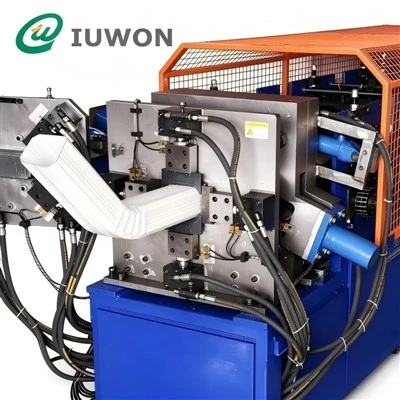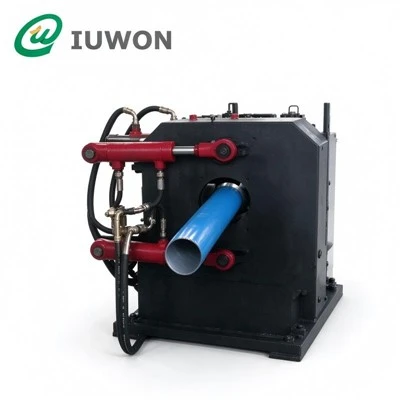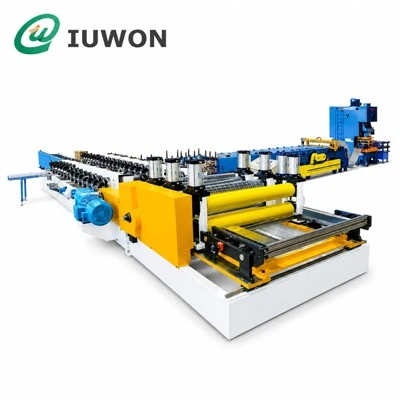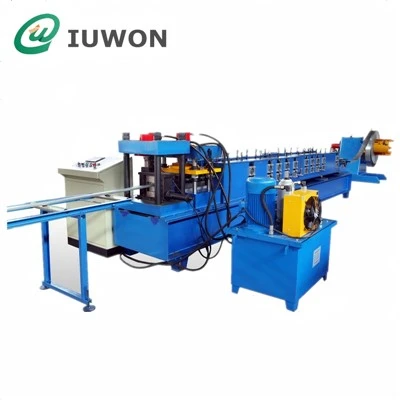
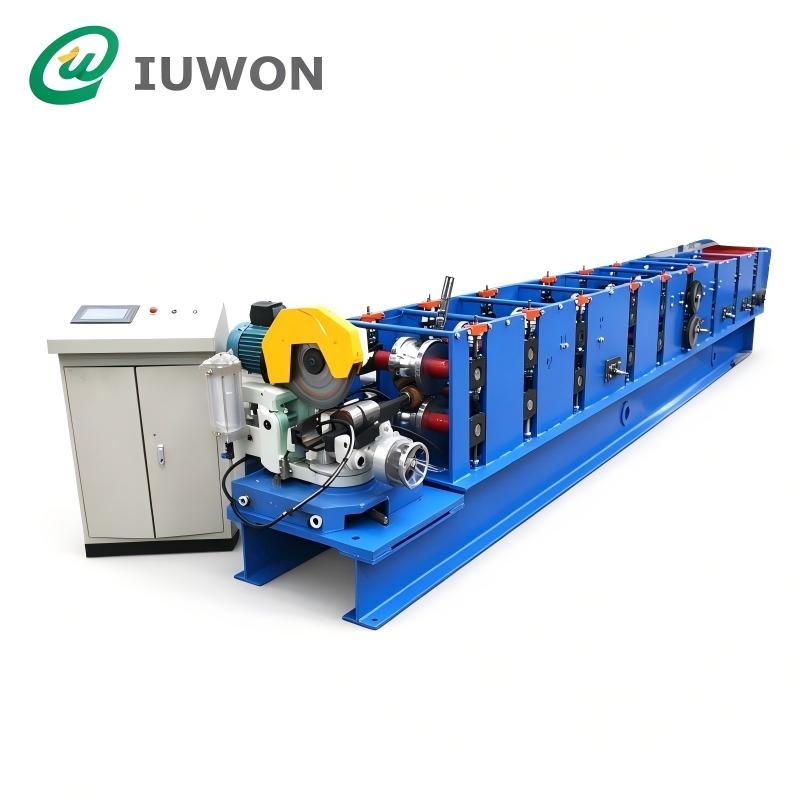
Hangzhou IUWON Technology Co., Ltd. is one of the most reliable manufacturers and suppliers of downspout & gutter roll forming machine in China. With abundant experience, we warmly welcome you to buy custom made downspout & gutter roll forming machine from our factory. Good service and reasonable price are available.
Downspout & Gutter Roll Forming Machine Specifications
| Forming method | Cold roll forming |
|---|---|
| Gutter products | Profile-specific metal rain gutters |
| Downspout products | Round, square, rectangular, or customized profiles, subject to configuration |
| Processing materials | Galvanized steel, pre-painted steel, aluminum; stainless steel subject to confirmation |
| Reference material thickness | 0.4–0.8 mm |
| Reference forming speed | 10–15 m/min |
| Forming tooling | Designed according to the selected profile |
| Cutting system | Hydraulic cutting for the referenced configuration |
| Control system | PLC control |
| Finished dimensions | Confirmed against approved product drawings |
| Electrical supply | Configured for the destination market |
Thickness and speed are reference values published for IUWON's gutter and downspout equipment range. They are not guaranteed limits for every profile or material. The final technical specifications depend on the selected line, approved drawings, and confirmed production requirements.
Expand from a Single Product into a Complete Sales Category
A manufacturer that only supplies one gutter profile may lose orders when a customer needs a different channel design or matching downpipes. Expanding the product range can help the business serve more types of projects, but the expansion should be planned rather than based on the assumption that one machine can make everything.
| Product Group | Commercial Role | Equipment Planning Focus |
|---|---|---|
| Metal gutters | Main roof-edge water collection product | Profile design, channel dimensions, and standard lengths |
| Metal downspouts | Vertical rainwater discharge | Pipe section, seam construction, and connection dimensions |
| Different gutter profiles | Serve varied architectural preferences | Additional profile tooling or a dedicated line |
| Different downspout sizes | Match building layouts and drainage designs | Size-specific tooling and production requirements |
| Related drainage accessories | Help customers source compatible components | Separate processing equipment or external sourcing where appropriate |
The best starting point depends on local demand. A supplier serving residential roofing contractors may prioritize common gutter profiles and matching downpipes. A manufacturer supplying commercial projects may need larger or less common sections based on project drawings.
The equipment plan should reflect the actual sales opportunity, not simply the number of product types that can be listed in a catalogue.
Different customers buy drainage products in different ways. Understanding their purchasing habits helps determine which profiles, materials, and production arrangements deserve priority.
- Roofing contractors often need products that fit the roof design and can be delivered within the project schedule. Standard dimensions, matching accessories, and dependable order fulfilment may matter more than an extensive range of unusual profiles.
- Building-material distributors may need several sizes and finishes to serve different customers. They benefit from a product range that balances popular standard items with selected special-order options.
- Metal fabrication companies may receive drawings for individual buildings or projects. Their production needs can include customized dimensions, smaller batches, and the ability to manufacture profiles beyond a fixed catalogue.
- Large building-material manufacturers may prioritize repeat orders, material utilization, production capacity, and coordination between different product lines.
These customer groups do not require the same investment strategy. Defining the intended market first helps the manufacturer decide whether to prioritize a standard production line, additional tooling, or a broader manufacturing setup.
Make Profile Selection a Commercial Decision
The profile chosen for production affects more than the shape of the finished product. It also influences tooling costs, material consumption, product positioning, and the customers the factory can serve.
| Decision | Questions to Resolve Before Production |
|---|---|
| Gutter design | Which profile types are requested most often in the target market? |
| Downspout section | Do customers primarily specify round, square, or rectangular pipes? |
| Product dimensions | Are standard sizes sufficient, or are drawing-based dimensions common? |
| Material and finish | Do buyers prefer galvanized steel, color-coated steel, or aluminum? |
| Order pattern | Will the factory mainly produce large batches or many small orders? |
| Product compatibility | Must the gutter and downspout fit existing fittings or a specific building system? |
A broad catalogue may attract more inquiries, but every additional profile can create costs in tooling, inventory, setup, and production planning. Manufacturers should identify their core products and then evaluate additional profiles according to customer demand and expected sales.
For customized work, drawings and physical samples should be reviewed before tooling is finalized. This reduces the risk of investing in a profile that does not match the intended installation system.
Match Equipment Investment to the Factory's Growth Stage
A new manufacturer and an established roofing-material supplier may both need gutter and downspout equipment, but their investment priorities can be very different.
| Business Situation | Recommended Planning Priority |
|---|---|
| Entering the drainage market | Start with a clearly defined set of target profiles and realistic demand estimates |
| Adding drainage products to an existing roofing business | Identify which products can complement current customers and distribution channels |
| Receiving frequent orders for several profiles | Evaluate the value of additional tooling or dedicated production lines |
| Serving project-based customers | Confirm drawing requirements, order quantities, and changeover needs |
| Increasing regular production volume | Review material feeding, cutting, handling, and capacity across the complete line |
The goal is to avoid two common purchasing problems: investing too much in equipment before the product range has a proven market, or choosing a configuration that becomes restrictive as order requirements change.
When comparing machine quotations, evaluate the included tooling, production assumptions, electrical configuration, installation requirements, and available technical support. A lower initial price may not represent the lower total investment if essential tooling or auxiliary equipment must be purchased separately.
Consider Material Choice as Part of Product Positioning
The material used for a gutter or downspout affects its appearance, handling, forming requirements, and suitability for the intended building environment. The right choice depends on customer specifications and local market expectations.
| Material | Points to Consider |
|---|---|
| Galvanized steel | Coating specification, corrosion protection, and intended service environment |
| Pre-painted steel | Color selection, coating condition, and surface protection during production |
| Aluminum | Material grade, thickness, forming behavior, and product positioning |
| Stainless steel | Required grade, cost considerations, and machine compatibility |
Material suitability cannot be determined by the machine category alone. The supplier should confirm the intended material and thickness range before finalizing the forming configuration.
Manufacturers should also distinguish between what the forming equipment can process and what determines the finished product's service life. Material grade, coating quality, installation details, drainage maintenance, and environmental exposure all contribute to field performance.
Build a Production Plan That Supports Order Fulfilment
Winning an order is only part of the manufacturing process. The factory must also schedule the required profiles, source the correct coils, produce the specified lengths, inspect the finished items, and prepare them for delivery.
Which profiles are maintained as regular products.
1
>>
Which dimensions are produced only against confirmed orders.
2
>>
How much coil material is required for each production batch.
3
>>
How finished gutters and long downspouts will be supported, stored, and transported.
4
>>
Which dimensional and appearance checks are required before dispatch.
5
>>
How tooling and production settings will be managed when the order mix changes.
6
Long metal products need particular attention during packaging and transport. Poor support or handling can deform finished sections, damage coated surfaces, or make unloading more difficult. Packaging and discharge arrangements should therefore be considered alongside the machine layout.
For export-oriented manufacturers, the destination market's product dimensions, packaging expectations, and installation requirements should be confirmed early. This allows production and delivery arrangements to be planned around the customer's actual needs.
What Should Be Included in the Equipment Proposal?
A useful quotation should explain how the proposed line relates to the products the factory intends to manufacture.
| Information to Submit | How It Supports Equipment Selection |
|---|---|
| Gutter and downspout drawings | Defines the finished profiles and dimensions |
| Material specifications | Establishes the intended material and thickness range |
| Required product lengths | Supports the selection of cutting and handling arrangements |
| Expected production volume | Helps assess capacity and the appropriate automation level |
| Number of profiles | Determines tooling scope and whether separate lines should be considered |
| Factory power supply | Allows the electrical configuration to be confirmed |
| Destination country | Supports export, installation, and delivery planning |
| Future product plans | Helps identify potential requirements for additional tooling or equipment |
If the product drawings are not finalized, provisional dimensions and unresolved details should be identified clearly. The supplier can then state which parts of the proposal remain conditional on final approval.
This gives both parties a more useful basis for evaluating the investment than a machine price or nominal speed alone.
FAQ
Can the equipment produce both gutters and downspouts?
IUWON offers equipment for both product groups. Whether one machine can manufacture the required profiles depends on the proposed design and tooling. Separate lines may be more appropriate where the products use different forming arrangements or need to be produced concurrently.
Can the product dimensions be customized?
The equipment can be designed around approved profile drawings, subject to engineering review. The required dimensions, material specifications, and tooling scope should be confirmed before the final offer.
Which material should a manufacturer choose?
The choice depends on local demand, customer specifications, appearance requirements, budget, and the intended service environment. Material compatibility with the proposed equipment should also be confirmed.
Does the machine manufacture all drainage accessories?
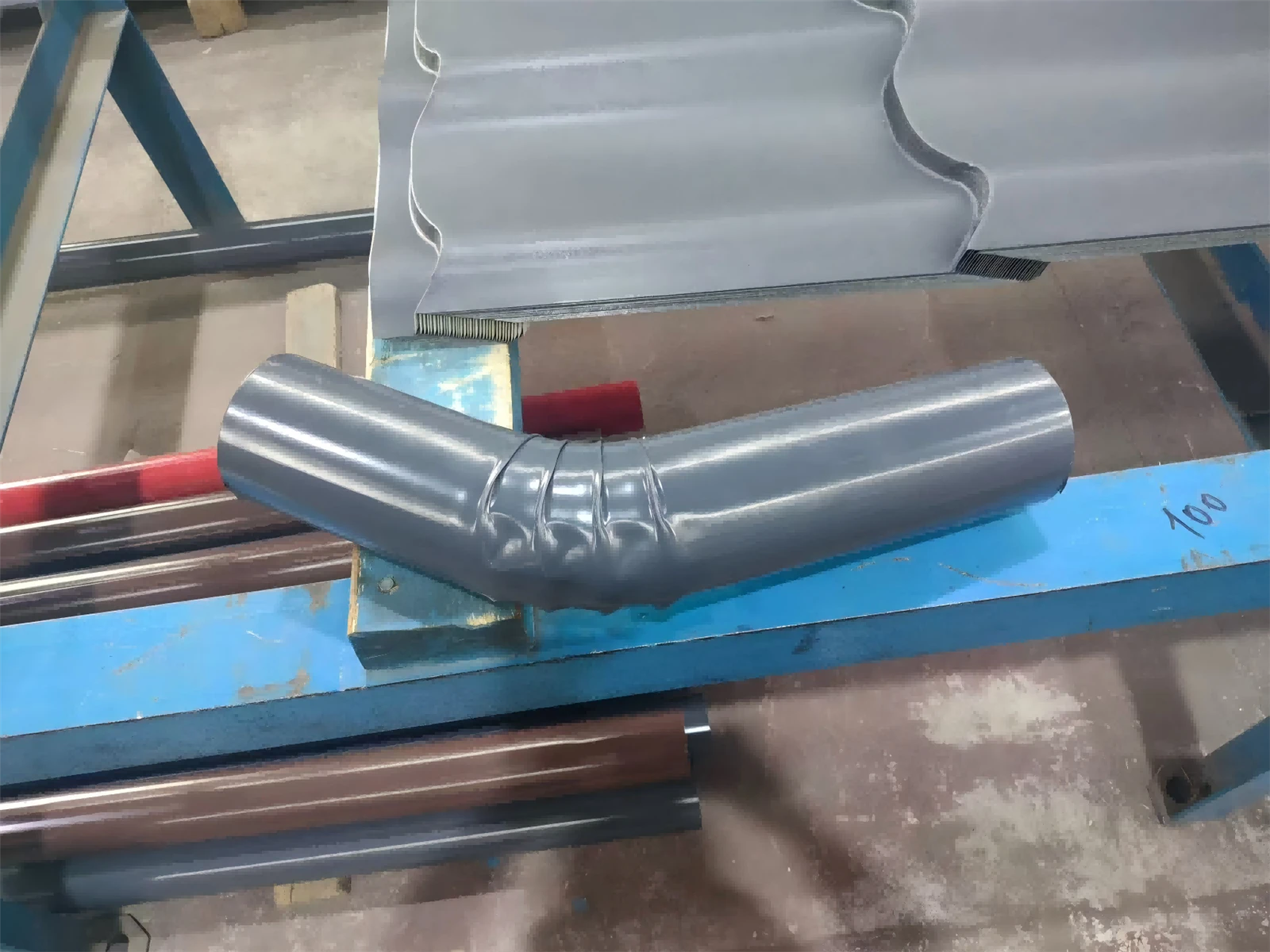
Not automatically. Gutters and downspouts are the primary formed products. Outlets, elbows, end caps, brackets, and other accessories may require separate machinery or external sourcing.
How can I obtain a suitable quotation?
Send the required profiles, drawings or samples, material thickness, target output, and destination country. IUWON can use this information to assess the machine configuration, tooling requirements, and production arrangement.
Discuss Your Gutter and Downspout Manufacturing Requirements
Whether you are establishing a new drainage-product business or adding metal gutters and downspouts to an existing building-material operation, the equipment should match your intended product range and sales strategy.
Share your drawings, material requirements, and estimated production demand with IUWON. The proposed configuration can then be evaluated against your manufacturing objectives, with the required tooling, cutting arrangements, and auxiliary equipment clearly identified.
Contact IUWON to discuss a gutter and downspout roll forming solution for your target market.
Hot Tags: downspout & gutter roll forming machine, China downspout & gutter roll forming machine manufacturers, suppliers, factory, downpipe machine, downpipe making machine, downspout roll forming machine, pipe forming machine for rainwater drainage, plc controlled downpipe forming machine, roof water drainage pipe forming line