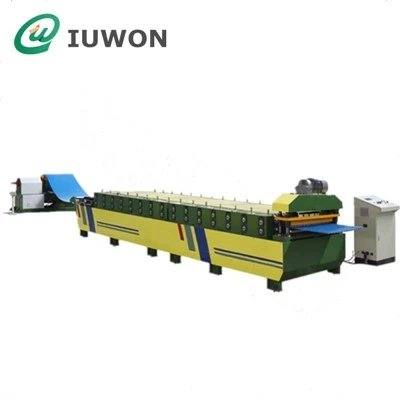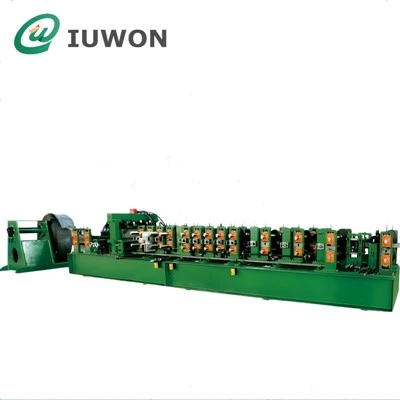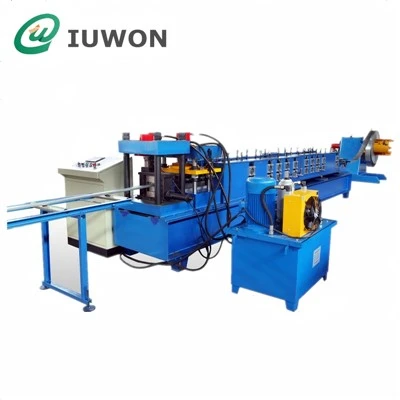
The global solar photovoltaic (PV) industry is undergoing a massive scale-up toward gigawatt-level manufacturing facilities. As automated solar module assembly lines push production speeds to record levels, every component in the module bill of materials (BOM) must satisfy ultra-tight dimensional tolerances and rigorous structural standards. Enclosing the perimeter of silicon photovoltaic cells, solar glass, EVA/POE encapsulants, and backsheets is the structural solar panel frame. This crucial metal border protects fragile laminate edges during transit, provides torsional rigidity against static snow loads and dynamic wind uplift, and interfaces directly with tracking structures and mounting clamps.
While extruded aluminum has traditionally dominated module framing, the industry is witnessing rapid adoption of high-strength cold-formed steel and composite metal alloy frames. These modern steel frames significantly reduce material costs while offering higher structural yield strength. To manufacture these complex, thin-walled frame profiles with micro-precision at high volume, solar module equipment suppliers rely on specialized manufacturing machinery. Hangzhou IUWON Technology Co., Ltd. has developed the advanced Solar Panel Frame Roll Forming Machine for High-Volume PV Module Production. This definitive engineering manual analyzes the structural role of solar frames, mechanical machine design, precision forming mechanics, automation integration, and factory ROI optimization.
The Critical Engineering Function of Solar Panel Frames in Automated PV Modules
A solar panel frame is far more than a decorative protective border; it is an engineered structural enclosure designed to survive 30 years of severe outdoor exposure. In high-efficiency TOPCon, HJT, and Perovskite tandem modules, the aluminum or steel frame must execute several critical functions:

Dynamic Environmental Protection: The frame prevents moisture ingress along laminate edges, resisting thermal cycling, freezing moisture expansion, and severe wind pressures up to 5,400 Pascals (Pa).
Robotic Glass Framing Compatibility: Modern PV factories utilize fully automated robotic framing cells where corners are pressed, corner keys are inserted, and silicon sealants are injected within seconds. Frame profiles must maintain cross-sectional dimensional tolerances within ±0.15 mm to prevent robotic jam-ups or glass breakage.
Integrated Grounding & Drainage: The frame section features intricate inner channels, including silicone seal retention grooves, drainage outlet slots to prevent water freezing, and grounding clip lock teeth.
Achieving these intricate, multi-channel cross-sections at continuous high production speeds demands a dedicated Solar Panel Frame Roll Forming Machine for High-Volume PV Module Production designed for zero-defect output.
Advanced Mechanical Subsystems of the IUWON Solar Frame Machine
Forming thin-gauge, high-yield steel or aluminum strip (0.8mm to 2.0mm) into complex frame cross-sections with multiple return bends without causing web oil-canning, edge wrinkling, or surface scratching requires precise machine architecture. IUWON's engineering team has integrated state-of-the-art mechanical and electronic subsystems into the line:
Precision Micro-Forming Roller Stations
请替换当前内容 We offer a variety of transmission components, including sprockets, roller chains, gears, couplings, racks, hubs, pulleys, taper sleeves, bearing seats, and more.
Integrated Servo Corner Notching & Drain Punching Platform
We offer a variety of transmission components, including sprockets, roller chains, gears, couplings, racks, hubs, pulleys, taper sleeves, bearing seats, and more.
High-Speed Servo Flying Cut-Off System
We offer a variety of transmission components, including sprockets, roller chains, gears, couplings, racks, hubs, pulleys, taper sleeves, bearing seats, and more.
Online Laser Inspection & Micro-Adjustment System
We offer a variety of transmission components, including sprockets, roller chains, gears, couplings, racks, hubs, pulleys, taper sleeves, bearing seats, and more.
End-to-End Automated Manufacturing Process Workflow
The manufacturing process executed by the Solar Panel Frame Roll Forming Machine for High-Volume PV Module Production represents a fully automated, high-precision continuous line:
[Precision Precision Uncoiler with Tensioner] ➔ [Strip Leveler & Entry Guide] ➔ [High-Speed Servo Punching & 45° Miter Notching] ➔ [Multi-Pass Precision Micro-Roll Former] ➔ [Non-Deformation Flying Shear Cut-Off] ➔ [Automated Robot-Ready Stacking Table]
Precision Coil Uncoiling: A tension-controlled uncoiler feeds thin steel or aluminum strip smoothly without causing edge deformation.
Precision Leveling: A multi-roll precision leveler removes coil set, ensuring flat strip entry into high-speed punching dies.
Servo Miter Notching & Hole Punching: High-speed servo punch dies stamp 45-degree corner miters, grounding holes, and drainage outlets with micron-level repeatability.
Micro Cold Roll Forming: 18 to 28 progressive stations shape the strip into the target frame geometry with smooth returns and accurate sealant grooves.
Flying Shear & Automated Discharge: A servo-driven cut-off unit cuts the frame profile to exact length, discharging finished components onto an automated stacking table ready for robotic handling.

Technical Equipment Specifications Matrix
The following engineering data table details the technical parameters and customizable options for IUWON's high-precision solar panel frame production machinery:
| Engineering Parameter | Technical Specification / Standard Configuration |
|---|---|
| Processed Raw Materials | Pre-Galvanized High-Strength Steel, Zinc-Aluminum-Magnesium (ZAM) Steel, Stainless Steel, Anodized Aluminum Alloy |
| Material Thickness Range | 0.8 mm – 2.0 mm |
| Cross-Sectional Tolerance | Profile Dimensions: ±0.15 mm | Flange Angles: ±0.5° |
| Length Cutting Accuracy | ±0.2 mm (Servo-controlled length encoder tracking) |
| Forming Pass Stations | 18 – 28 Stations (Configured based on frame profile complexity) |
| Main Shaft Material & Diameter | Φ60 mm – Φ80 mm | 40Cr Steel, Precision Ground, Quenched & Tempered |
| Roller Die Material & Hardness | SKD11 / Cr12MoV Tool Steel, Vacuum Heat Treated to HRC 60-62, Mirror Polished, Hard Chrome Plated |
| Line Operating Speed | 30 – 50 meters / minute (Fully automated continuous high-speed output) |
| Drive Transmission Type | Precision Gearbox Transmission with Universal Cardan Drive Shafts |
| Punching & Notching System | High-Speed Servo Punching Station for 45° Miter Cuts, Drain Slots, and Mounting Holes |
| Cut-Off System | Servo Flying Shear with Custom-Contoured Cr12MoV Non-Deformation Cut-off Die |
| Automation Architecture | Siemens S7-1500 PLC, 10-Inch Color Touchscreen HMI, Yaskawa / Siemens Servo Drives, Optical Laser Sensors |
Economic Advantages, COGS Reduction & Operational Value Analysis
A. Major Reduction in Module Bill of Materials (BOM) Costs
Replacing traditional extruded aluminum frames with cold-formed high-strength steel or ZAM frames reduces module frame material costs by 15% to 30%. On a 1 GW solar module production facility, this material cost saving translates into millions of dollars annually.
B. Seamless Integration with Robotic Module Framing Cells
Robotic framing machines require ultra-consistent frame profiles. Minor dimensional variations cause automated corner-pressing equipment to stall. IUWON's precision roll former maintains sub-millimeter tolerances across 24/7 continuous production runs, maximizing automated assembly uptime.
C. High Capacity Output to Meet Gigawatt Production Deadlines
Operating at speeds up to 50 meters per minute, a single IUWON frame line produces over 2,500 meters of finished frame profiles per hour-sufficient to supply continuous framing lines for multiple solar module assembly lines.
Machine Operation, Quality Control & Preventive Maintenance Protocol
To sustain micro-precision forming accuracy and prevent unscheduled downtime during 24/7 factory operations, maintenance teams should execute the following operational guidelines:

Preventive Maintenance Schedule
Daily Cleaning of Punch Dies: Clear aluminum or zinc punch chips from 45-degree miter punch dies every shift to maintain clean shear edges.
Roller Shaft Lubrication: Apply synthetic lubricant to main shaft drive bearings and cardan universal joints every 200 operating hours.
Laser Inspection Calibration: Calibrate online laser displacement sensors monthly using a master reference gauge block.
Quality Control & Diagnostics Guide
Issue: Corner Miter Gap During Frame Assembly: Solution: Inspect 45-degree punch blade sharpness. Re-align entry guide rolls to ensure the incoming strip enters the punch die perfectly perpendicular.
Issue: Web Oil-Canning or Center Buckling: Solution: Adjust vertical roll pressure on passes 8 through 14. Ensure raw coil thickness remains within specified mill tolerances.
Issue: Material Scratching on Anodized Strip: Solution: Clean roller pass surfaces with solvent to remove foreign grit. Verify that automatic strip oil misting nozzles are flowing freely.
Partner with Hangzhou IUWON Technology Co., Ltd.
Elevate your PV module manufacturing line with high-precision solar frame roll forming technology. Contact our specialized engineering team today for a comprehensive technical quote and line specification.
Consult Our Solar Frame Engineers