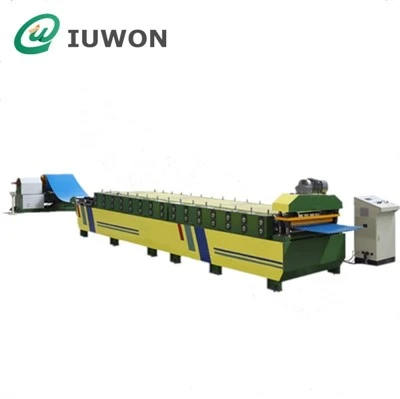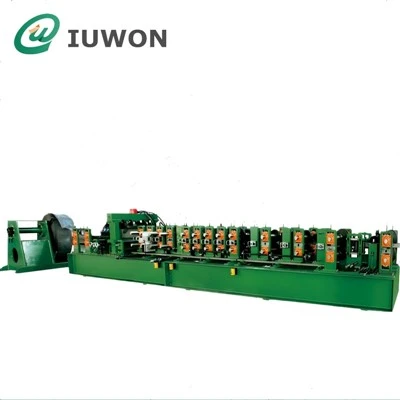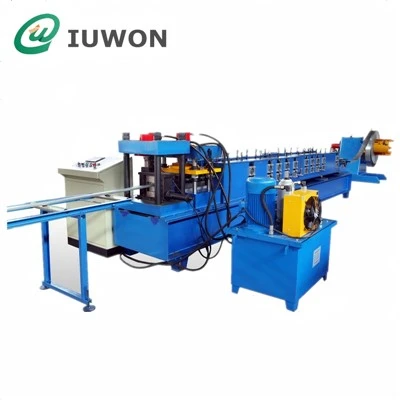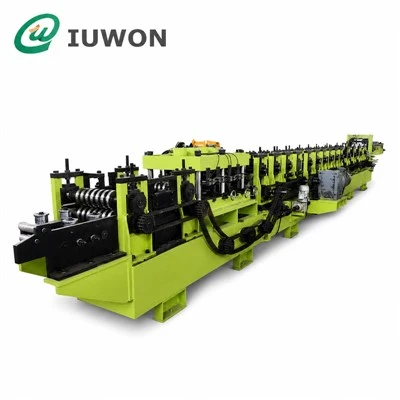
For metal fabrication companies, equipment selection should start with the finished product drawing and actual production requirements. The following factors help determine the appropriate machine structure, roller tooling, drive system, and automation level.
Identify the Metal Profile You Need to Produce
The finished profile determines the roller geometry, number of forming stations, machine width, and forming sequence. Before selecting equipment, identify the cross-sectional shape and dimensional requirements of the product.
Common roll-formed products include:
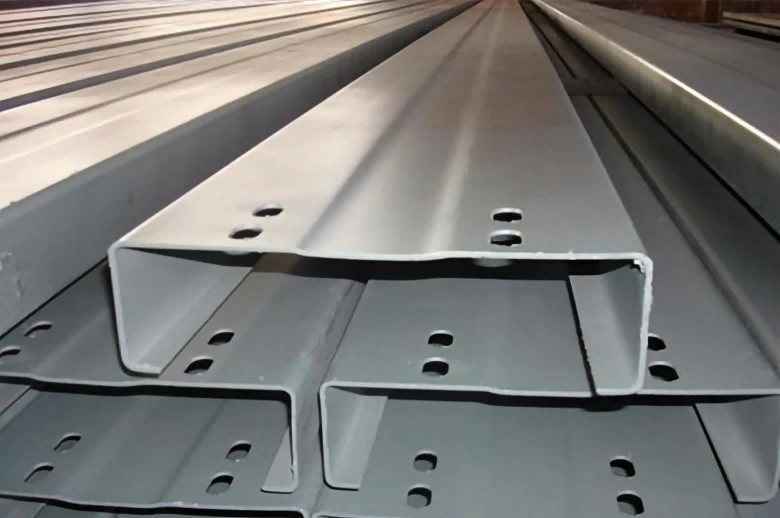
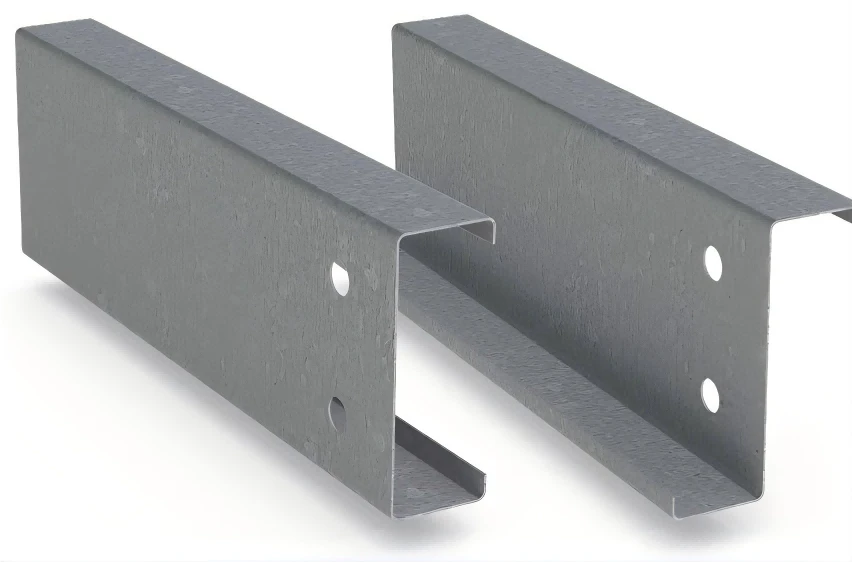
- C and Z Purlins: Used in steel building structures. Their forming requirements include web width, flange dimensions, lip geometry, and punching positions.
- Cable Trays: Formed with a bottom plate, side walls, and optional folded edges. Perforated designs also require punching dies and hole-position control.
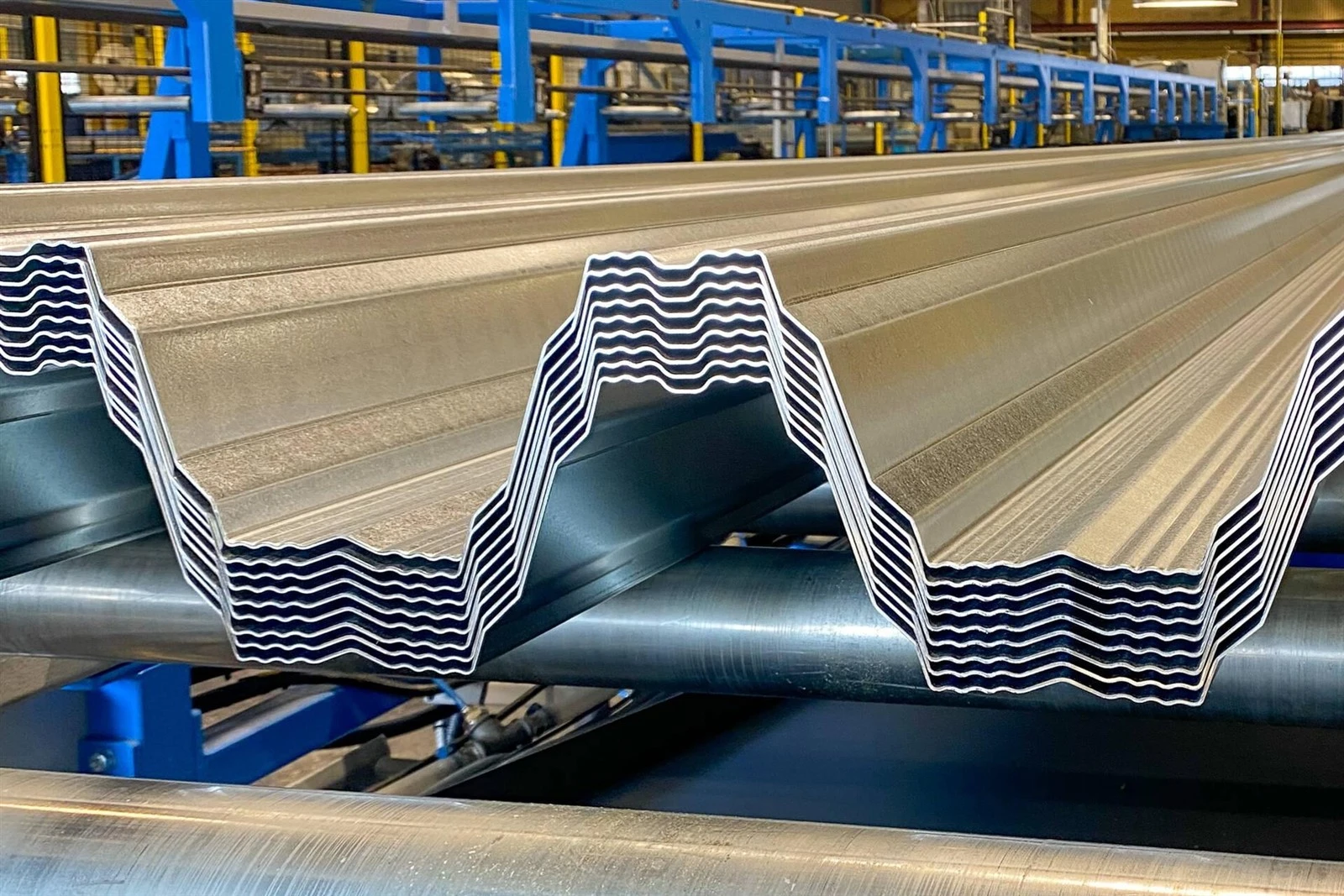
- Roofing Sheets: Produced with repeated ribs, corrugations, and overlapping edges. Roller contours must match the required sheet profile and installation joints.
- Steel Studs and Tracks: Used in light-gauge steel framing. The forming process must control flange dimensions, web width, and edge returns.
- Door Frames and Metal Channels: Require specific bending angles, connection edges, and dimensional tolerances.
A cross-sectional drawing should include all critical dimensions before requesting a machine quotation. Profiles with multiple bends, return edges, or asymmetrical sections may require a different roller arrangement from simple U-shaped channels.
Select the Machine According to Material Type and Thickness
Material properties directly affect forming force, roller contact pressure, springback, and drive requirements. A machine designed for thin galvanized steel may require different tooling and transmission specifications when processing thicker carbon steel or stainless steel.
|
Material |
Main Forming Considerations |
Typical Applications |
|---|---|---|
|
Galvanized Steel |
Zinc coating protection, surface scratches, coating adhesion |
Cable trays, purlins, roofing panels |
|
Carbon Steel |
Yield strength, tensile strength, bending resistance |
Structural channels, frames, supports |
|
Stainless Steel |
Higher forming resistance, springback, tool wear |
Equipment housings, architectural profiles |
|
Aluminum |
Lower forming force, surface marking, dimensional stability |
Building panels, lightweight structural profiles |
How Material Thickness Affects Machine Selection
Material thickness influences the required forming force and mechanical load on roller shafts and the drive system.
When selecting a machine, check:
- Minimum and maximum material thickness.
- Material grade and yield strength.
- Coil width and weight.
- Required bending radius.
- Surface coating or finish requirements.
Processing thicker steel generally requires greater forming force. The machine frame, shafts, bearings, transmission components, and motor capacity must withstand the corresponding mechanical load.
Do not select a machine based only on its stated maximum thickness. Material grade and finished profile geometry must also be considered.
Evaluate the Number of Forming Stations and Roller Design
A roll forming machine uses successive roller stations to bend a flat metal strip into a finished cross-section. Each station introduces a controlled deformation until the material reaches the target profile.
The number of forming stations depends on several factors:
- Profile Complexity: Profiles with multiple bends, return edges, or asymmetrical sections may require more forming stages.
- Material Thickness: Thicker materials generally require greater forming force and carefully designed deformation stages.
- Bending Radius: Small bending radii require attention to material ductility and local deformation.
- Dimensional Tolerance: Roller geometry and station alignment influence the final cross-sectional dimensions.
Why Roller Design Matters
Rollers contact the metal strip and transmit bending forces through the forming line. Their contours determine the deformation applied at each station.
During machine evaluation, check the following:
- Roller diameter and contour design.
- Roller material and heat-treatment requirements.
- Shaft diameter and bearing arrangement.
- Upper and lower roller alignment.
- Roller clearance adjustment method.
Incorrect roller alignment can produce twisted profiles, uneven flange heights, and inconsistent cross-sectional dimensions. These conditions should be checked during trial production.
Determine the Required Production Speed and Output
Production speed should be evaluated together with the actual processing cycle. A higher forming speed does not automatically mean higher finished-product output, particularly when punching, cutting, or material handling operations interrupt continuous feeding.
Before selecting a machine, calculate the required output based on:
- Daily or monthly production quantity.
- Finished profile length.
- Material thickness and width.
- Number of punching operations.
- Cutting cycle time.
- Coil loading and finished-product handling time.
For example, a production line manufacturing perforated cable trays must coordinate material feeding, punching, forming, and cutting. If the punching cycle cannot keep pace with material movement, it may limit the overall production rate even when the roller stations can operate faster.
Choose Between Standard and Customized Roll Forming Machines
Standard roll forming machines are generally designed around a defined profile and dimensional range. Customized machines are developed according to specific product drawings, material conditions, and production processes.
|
Selection Factor |
Standard Machine |
Customized Machine |
|---|---|---|
|
Profile Dimensions |
Fixed or limited adjustment range |
Designed around specified dimensions |
|
Roller Tooling |
Existing tooling configuration |
Profile-specific roller design |
|
Production Process |
Standard feeding and forming sequence |
Additional punching, cutting, or processing units |
|
Automation |
Standard control functions |
PLC functions configured for project requirements |
|
Product Range |
Suitable for defined profiles |
Can be designed for specified product families |
When Is a Customized Machine Necessary?
A customized machine should be considered when:
- The profile contains special bends or folded edges.
- Several product dimensions must be processed on one production line.
- Punching holes must align with specific mounting positions.
- The production process requires integrated cutting or additional processing units.
- Existing equipment cannot maintain the required profile dimensions.
For multi-profile production, clarify whether the machine needs adjustable roller spacing, interchangeable roller sets, or separate forming lines. These options have different tooling, changeover, and maintenance requirements.
Consider Automation and Production Line Integration
Automation affects how the roll forming machine connects with upstream and downstream equipment. A production line may include a decoiler, leveling unit, feeding system, punching unit, roll forming section, cutting system, and automatic stacking device.
PLC Control System
The PLC receives signals from sensors and encoders to coordinate feeding, punching, and cutting operations. Operators can enter production parameters through the control interface according to the programmed functions.
Servo Feeding System
A servo-driven feeding mechanism controls strip movement and positioning. It can be used when punching patterns require controlled material feeding distances.
Hydraulic Cutting System
A hydraulic cutting unit uses a cylinder-driven blade or cutting tool to separate the formed profile. Cutting force and tool geometry must match the material thickness and cross-section.
Automatic Stacking System
A stacking device collects finished profiles after cutting. Its supporting structure and transfer mechanism must accommodate product length, weight, and cross-sectional shape.
Confirm the following with the machine supplier:
Whether the decoiler and leveling unit are included.
Whether punching is integrated into the main line.
How feeding length is measured.
Whether cutting operates in synchronization with material movement.
Whether finished profiles require automatic stacking.
What electrical signals and connections are needed for line integration.
Evaluate Machine Structure, Maintenance, and Tooling Replacement
Machine structure affects how forming loads transfer through the frame, shafts, bearings, and transmission system. These components should be evaluated according to the material and production cycle.
|
Component |
Inspection Focus |
Maintenance Action |
|---|---|---|
|
Machine Frame |
Deformation, loose connections |
Check foundation bolts and frame alignment |
|
Forming Rollers |
Surface wear and scratches |
Clean and inspect roller contours |
|
Shafts |
Runout and connection condition |
Check alignment and fastening |
|
Bearings |
Noise, temperature, lubrication |
Lubricate and replace worn bearings |
|
Transmission |
Gear wear and abnormal vibration |
Inspect gears, chains, and couplings |
|
Hydraulic System |
Oil leakage and pressure fluctuation |
Inspect hoses, seals, and oil condition |
|
Electrical System |
Sensor signals and terminal connections |
Check wiring and control components |
Tooling Replacement and Changeover
When a production line manufactures different profiles, roller tooling may need to be replaced or adjusted. Before ordering equipment, ask how the machine handles tooling changes.
For example, a line producing two cable tray widths may require interchangeable roller sets or an adjustable forming structure. The replacement method should provide access to the roller shafts and allow operators to restore the specified station alignment after changing tooling.
Common Mistakes When Purchasing a Roll Forming Machine
Some purchasing mistakes result from evaluating individual machine specifications without checking the complete production process.
Selecting Equipment Based Only on Maximum Forming Speed
The stated forming speed may not include punching, cutting, coil loading, or stacking time. Request the expected output under the actual product specifications.
Ignoring Material Grade
Two steel strips with the same nominal thickness can have different yield strengths and forming behavior. Provide the material grade and mechanical properties when requesting a machine design.
Using One Roller Configuration for Incompatible Profiles
Different cross-sections may require different roller contours and forming sequences. Confirm the available adjustment range and tooling replacement method.
Overlooking Punching and Cutting Requirements
A machine may form the required profile but lack the punching layout or cutting arrangement needed for the finished product. Confirm all processing operations before finalizing the machine configuration.
Not Testing Actual Production Material
Trial production using a different material thickness or grade may not reflect the final operating conditions. Use the specified production material when checking forming accuracy and surface condition.
How IUWON Supports Roll Forming Machine Selection
Hangzhou IUWON Technology Co., Ltd. manufactures metal sheet roll forming equipment. Its machine design and manufacturing process involves profile analysis, roller tooling development, mechanical assembly, electrical integration, and equipment testing.
For a new roll forming project, the selection process can be organized around four technical steps:
01. Profile Drawing Evaluation
Review the finished cross-section, bending angles, flange dimensions, and dimensional tolerances to identify the required forming operations.
02. Material and Process Assessment
Check the steel grade, thickness, coil width, and surface treatment to determine the forming load and roller tooling requirements.
03. Machine Configuration
Determine the number of roller stations, transmission structure, feeding method, punching arrangement, PLC functions, and cutting system.
04. Trial Production and Inspection
Run the specified material through the machine and inspect the finished profile dimensions, bending geometry, hole positions, and cutting length.
Selecting a roll forming machine based on these engineering factors helps manufacturers match the equipment structure with their actual product specifications and production processes. For a machine evaluation, provide IUWON with your profile drawings, material specifications, and expected production output so the required machine configuration can be assessed.