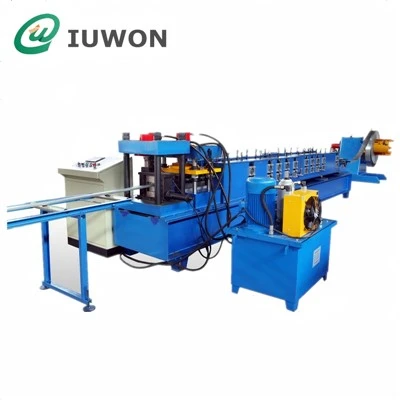
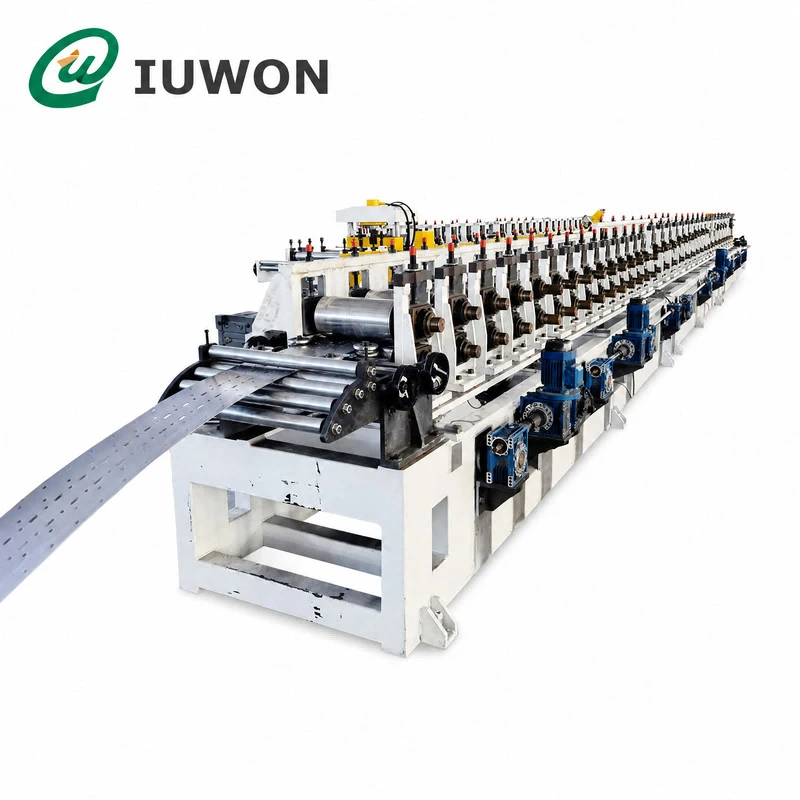
Hangzhou IUWON Technology Co., Ltd. is one of the most reliable manufacturers and suppliers of cable tray ladder roll forming machine in China. With abundant experience, we warmly welcome you to buy custom made cable tray ladder roll forming machine from our factory. Good service and reasonable price are available.
Cable Tray Ladder Roll Forming Machine Configuration
|
Configuration Item |
Design Basis |
|---|---|
|
Finished Product |
Cable Tray Ladder Rail |
|
Raw Material |
Galvanized Steel / Carbon Steel / Stainless Steel |
|
Coil Width |
Determined by Developed Profile |
|
Material Thickness |
Based on Rail Design |
|
Rail Cross-Section |
Customer Drawing |
|
Forming Arrangement |
Multi-Station Roll Forming |
|
Punching Position |
Based on Connection Layout |
|
Roller Design |
Profile-Specific Tooling |
|
Cutting Method |
Configured to Production Requirements |
|
Length Control |
Encoder or Selected Measuring System |
|
Control Interface |
PLC and Touchscreen |
|
Auxiliary Equipment |
Selected According to Line Layout |
Machine parameters should be finalized using the customer's drawings, material range, and target production requirements. Unconfirmed speed, thickness, and dimensional ranges should not be treated as fixed machine specifications.
Cable Tray Ladder Rail Components
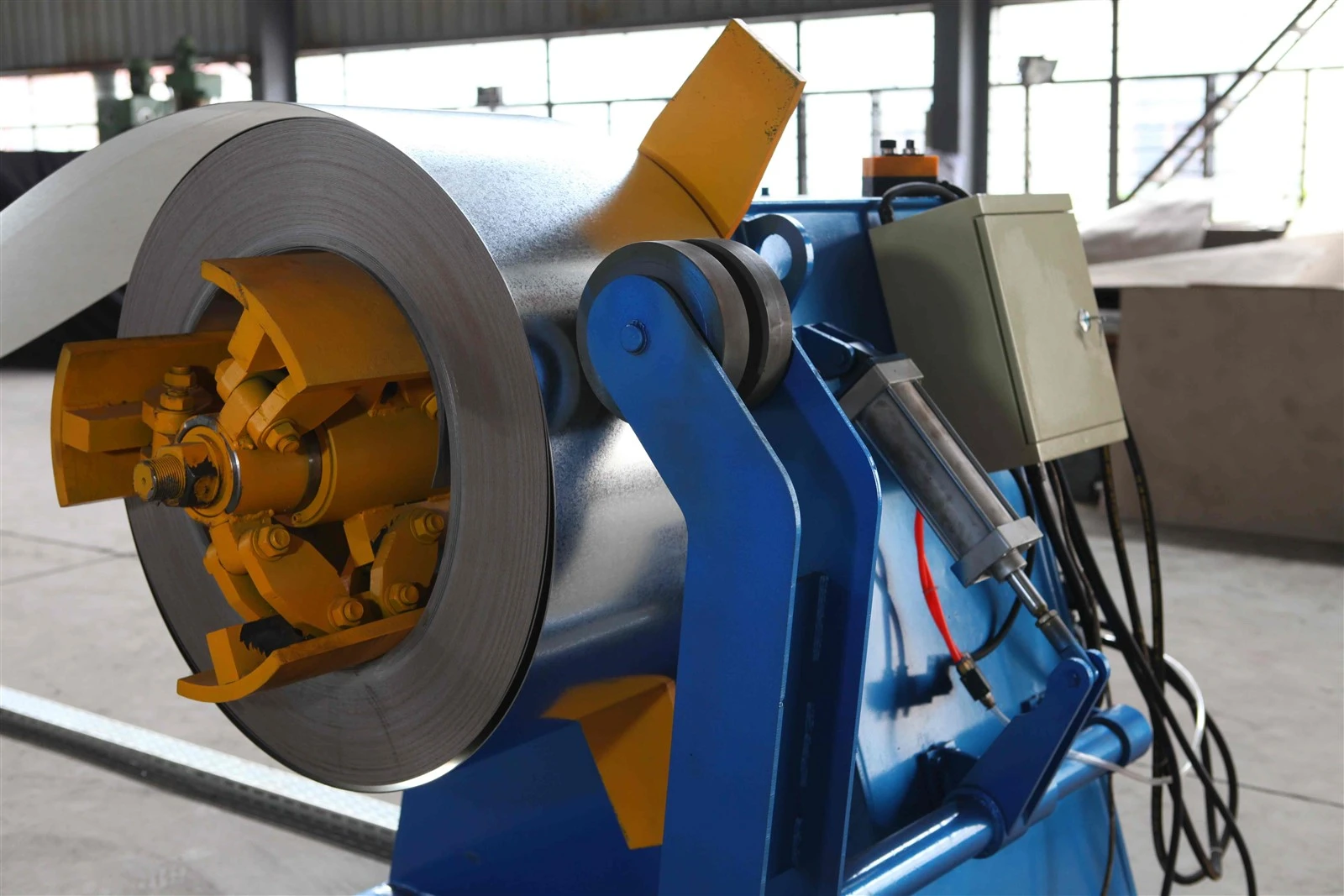
Coil Feeding Assembly
Holds and feeds the incoming steel strip. Decoiler capacity and strip guidance should correspond to the coil dimensions and material thickness specified for the ladder rail.
Roller Forming Stands
Support the forming rollers and shafts. Station geometry and roller alignment determine how the rail's channels, flanges, and bends develop through the forming sequence.
Punching Assembly
Creates specified rung connection holes or slots where required. Punch tooling is selected according to feature dimensions, material thickness, and hole spacing.
Cutting and Control System
Separates the continuous rail into programmed lengths and coordinates the production sequence. The selected control arrangement depends on feeding, punching, and cutting requirements.
Rung Connection & Hole Layout
The rung connection is a key design consideration for a cable ladder rail because the side rails and cross-members must align during assembly. Hole diameter, slot shape, hole spacing, and distance from the rail edge should be defined from the ladder assembly drawing. If the holes are positioned too close to a bend, the available punching space and the local profile geometry may affect tool design.
The production method also depends on whether the mounting features repeat at a fixed interval or vary by ladder model. Repeated patterns can be programmed around a defined pitch, while different connection arrangements may require a change in punching tooling or control settings. Buyers should confirm whether the two side rails use mirrored hole patterns or identical processing positions.
For rail designs that use welded, bolted, or mechanically fastened rungs, the connection method should be considered before the machine is configured. The hole layout, edge geometry, and cut length need to work together so that the formed rails can proceed to assembly without unnecessary secondary modification.
Material Selection & Forming Considerations
Galvanized steel, carbon steel, and stainless steel may be specified for cable ladder rails depending on project requirements. Material grade and thickness influence bending behavior, springback, surface condition, and the force required for punching or cutting. The selected material range should therefore be confirmed before the roller tooling and auxiliary equipment are finalized.
The developed strip width is determined by the rail's unfolded geometry, including the central web, side walls, and edge returns. It should be calculated from the profile drawing and bend allowances rather than estimated from the finished overall height alone. An incorrect developed width can result in material waste or a rail that fails to meet the required cross-section.
Where coated steel is used, the roller contact surfaces and forming sequence should be considered to reduce unnecessary surface marking. The actual setup depends on the coating, bend radii, material thickness, and appearance requirements specified for the finished ladder system.
Should Rung Mounting Holes Be Punched Before or After Forming?
The choice depends on the location of the holes and the geometry of the rail. Features on a flat strip may be easier to punch before the strip enters the forming stands, while other designs may require a different punching position to maintain access to the target surface and provide suitable die clearance.
The hole pattern should be reviewed together with the forming sequence, material thickness, and cut length. Buyers should provide the connection drawing and indicate whether the hole spacing is fixed across all rail lengths or varies by product model. This information helps determine the appropriate punching arrangement.
Hot Tags: cable tray ladder roll forming machine, China cable tray ladder roll forming machine manufacturers, suppliers, factory, cable tray industrial forming equipment, cable tray machine, cable tray sheet forming machine, cable tray z channel forming machine, industrial cable tray forming machine, ladder type cable tray forming machine